Easy ways to use less water at home
From checking for leaks to running full loads, a few changes to everyday routines can help you use less water at home.
In this guide
Start with small changes to everyday routines
Using less water at home does not have to mean changing everything at once. Start by looking at the routines you already have: brushing your teeth, washing dishes, doing laundry and getting ready for the day.
Pick one or two places where a small adjustment feels manageable. You might turn off the tap while brushing or wait until the dishwasher is full before running it. Once those habits feel familiar, you can decide what else to try.
If you share your home, let everyone know which changes you are trying. A simple reminder near the sink or a conversation about when to start the dishwasher can help make the new routine clear.
Check toilets and faucets for leaks
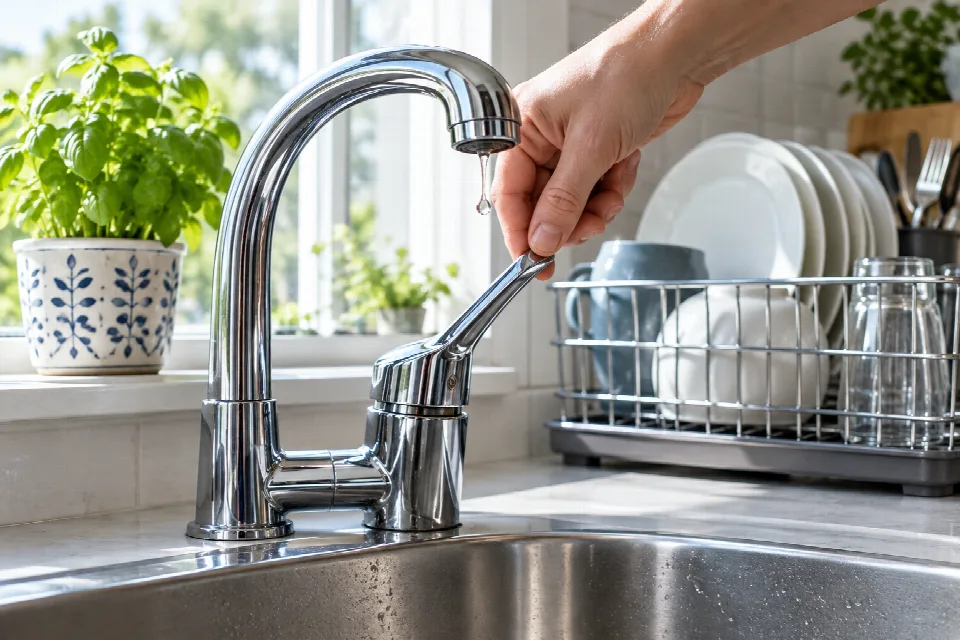
Leaks are worth checking because water can be wasted even when no one is using it. Look and listen for dripping faucets, and check the area around fixtures for signs that something may need attention.
A toilet leak may be silent. To check for one, add a few drops of food coloring to the toilet tank. If color shows up in the bowl, the toilet has a leak. The EPA recommends checking toilets annually.
If you find a leak, decide whether it is a repair you are comfortable handling or whether you would rather ask a plumber for help. You can also make a note to check the other toilets and faucets while you are reviewing your household maintenance list.
Turn off the tap and shorten showers
At the bathroom sink, turn on the water when you need it and turn it off while you brush your teeth or shave. This is an easy habit to practice because it fits into something you already do.
For showers, consider spending a little less time under the water. You can also turn the water off while soaping up, then turn it back on to rinse. If a shorter shower feels like too much of a change at first, start by choosing one part of your routine to make quicker.
Families can agree on a simple reminder rather than trying to track every minute. The aim is to find a routine people can keep up, not to make getting ready feel like another chore.
Run full dishwasher and laundry loads
When practical, wait until the dishwasher is full before starting it. Scrape food off plates rather than rinsing them under the tap before loading. If you are unsure how to load a particular item, check the appliance instructions.
Take a similar approach to laundry: run full loads when you can. If your washing machine has a water-level setting and you need to wash a smaller load, choose the setting that fits the load.
A regular schedule may make this easier for a busy household. For example, you could collect laundry until there is enough for a load, or agree that the dishwasher gets started once it is full. There will still be times when you need a particular item sooner; simply return to the routine when it works for you.
Keep drinking water cold and thaw food in the fridge
If you like cold drinking water, keep a pitcher in the refrigerator. That way, you can pour a glass without running the tap while you wait for the water to cool.
Planning ahead can also help at mealtimes. Instead of running water over frozen food to thaw it, put the food in the refrigerator overnight. A reminder when you plan the next day’s meal can make this easier to remember.
Choose a few habits to start with
You do not need to tackle every idea on the same day. Choose the ones that fit your household and give them a try. Here is a short starting list:
- Check a toilet for a leak and look for dripping faucets.
- Turn off the tap while brushing your teeth.
- Wait for a full dishwasher or laundry load when practical.
- Keep a pitcher of drinking water in the fridge.
After a week or two, notice which changes were easy to remember and which need a different approach. Keep the habits that work, adjust the ones that do not, and add another when you are ready.