Simple ways to lower your home energy bills
Small changes to heating, lighting and everyday routines may help reduce energy use. Start with the options that fit your home and budget.
In this guide
Lowering your home energy bills doesn’t have to start with a major renovation. Changes to daily routines, basic draft sealing and more efficient lighting are all options worth considering. Renters can also look for changes that are easy to reverse or discuss with a landlord.
Start with one or two steps that fit your household. Your results will depend on your home and how you use energy, so treat these ideas as a starting point rather than a promise of a particular saving.
Adjust your thermostat when asleep or away
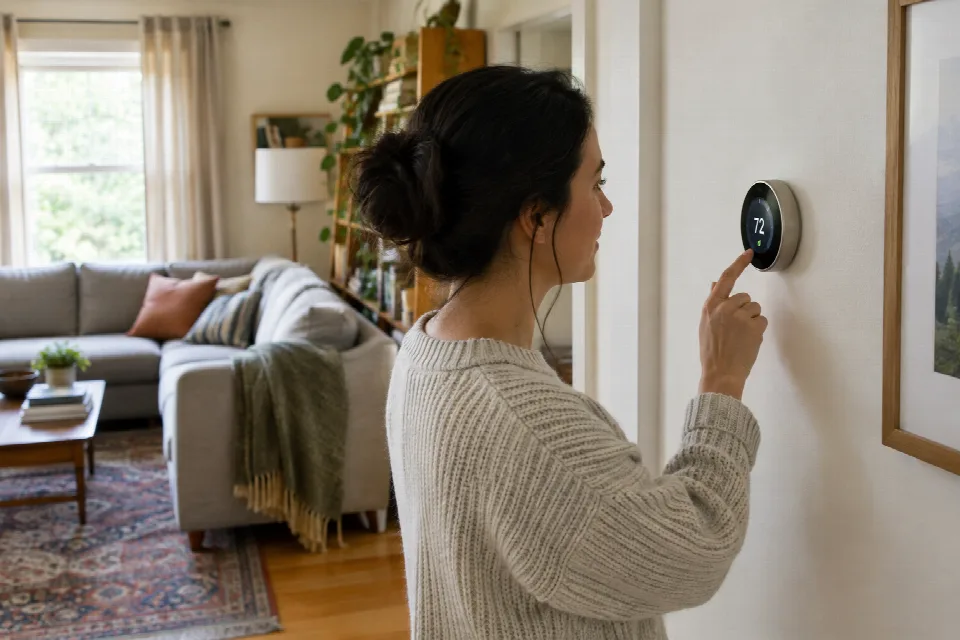
Try adjusting the thermostat during stretches when you’re asleep or out of the house. In cooler weather, that generally means setting the heat lower; in warmer weather, it means setting the cooling temperature higher. Adjusting the thermostat for several hours a day can reduce heating and cooling costs.
Begin with a modest change and see how it feels. If you have a programmable thermostat, check its instructions for setting a schedule that matches your routine. Consider the needs of everyone in the home, including pets, and follow the guidance for your heating and cooling equipment. If your schedule changes, revisit the settings rather than leaving a program running that no longer suits you.
Seal drafts around windows and doors
Air leaks around windows and doors can waste energy. Weatherstripping, caulk and draft stoppers are options for addressing drafts. Walk through your home and note any spots that feel drafty, especially around doors and windows you use often.
Choose an approach that suits the gap and the surface. A draft stopper can be a simple place to start at a door. For other gaps, check product instructions before applying weatherstripping or caulk. If you rent, ask your landlord before making changes that might affect the finish, and consider a removable option. Avoid blocking vents or making doors and windows difficult to operate.
Switch frequently used bulbs to LEDs
When a bulb needs replacing, consider an LED for a fixture you use frequently, such as a kitchen or living room light. ENERGY STAR-certified LEDs use up to 90% less energy than incandescent bulbs and last much longer.
You don’t have to replace every bulb at once. Make a short list of the lights your household uses most, then replace bulbs as your budget allows. Check the fixture and bulb packaging for the right fit and any requirements for dimmers or enclosed fixtures. Renters can keep the original bulbs if they need to put them back before moving.
Unplug devices or use power strips
Some devices draw standby power when they aren’t in active use. Unplugging devices or switching off a power strip can help reduce that energy use.
Look around an entertainment area or desk for devices you use only occasionally. Group suitable devices on a power strip and switch it off when they’re not needed, or unplug them individually. Keep essential equipment and anything that needs to remain on out of the switched group. Follow the power strip’s instructions and check device settings before disconnecting anything.
Wash clothes in cold water and check HVAC filters
Washing clothes in cold water reduces the energy needed to heat the water. Try it for loads where cold washing is appropriate, while following garment care labels and your washer’s instructions. You can start with the loads you do most often instead of changing your entire laundry routine at once.
It’s also worth checking the filter in your heating and cooling system. Clean filters help the system operate efficiently. Follow the equipment instructions for checking, cleaning or replacing the filter. If you rent and aren’t sure who handles this task, ask your landlord or property manager before opening equipment or buying a replacement.
Use window coverings and ceiling fans
Curtains, blinds and other window coverings can help you manage sunlight. In cooler weather, try opening coverings when you want sunlight and closing them afterward. In warmer weather, consider closing them when direct sun is making a room uncomfortable.
If you have a ceiling fan, use its controls to find a comfortable setting. The Department of Energy also suggests running a ceiling fan on low and reversing its direction in winter. Check the fan’s instructions before changing its settings, and switch it off when you leave the room.
Choose the changes that are practical for your home, then review your bills over time. If a step doesn’t suit your routine or your lease, move on to another. A manageable habit is a useful place to begin.
Sources
- www.energy.gov · /articles/5-tips-energy-saving-renters
- www.energystar.gov · /products/recent_program_updates/low-no-cost-tips
- www.energy.gov · /femp/home-energy-checklist
- www.energy.gov · /indianenergy/articles/six-simple-steps-save-energy-and-money-winter
- www.energysage.com · /electricity/how-to-lower-your-electric-bill
- www.energy.gov · /articles/insulate-your-home-and-your-bank-account
- www.energy.gov · /articles/5-tips-help-you-save-energy-bills-winter
- www.energy.gov · /energysaver/articles/ceiling-fans